Lead Product Designer · Human-AI Interaction

Designing how people collaborate with AI.

I design and build products that keep human judgment at the center of AI, helping people understand what's happening, stay in control, and trust the systems they rely on.

Scroll
The human
in the loop.

I'm a product designer with a background in psychology and human-computer interaction design who designs intelligent systems. Over the past decade, my work has evolved from identity and trust experiences to enterprise AI products, where I help people maintain agency, build confidence, and work effectively alongside AI as it takes on more.

Today, I'm a Lead Product Designer at Salesforce, designing AI-powered experiences for the people who configure, automate, and maintain the systems businesses run on. I also build with AI directly, taking ideas from rough concept to working prototype.

Outside of work, I'm a mom of two young kids. Parenthood has reinforced many of the lessons that guide my work: people are unpredictable, trust is earned, and the best systems create space for others to grow.

Tori Rice, Lead Product Designer
Experience
Lead Product Designer, Salesforce
2024 – Present
Senior Product Designer
2019 – 2024
Education
MS in HCI, Indiana University
2014 – 2016
BA in Psychology, Purdue University
2007 – 2011
Other roles
Mom
2021 to forever
Designing intelligent systems that help people navigate complexity with confidence.

Every chapter here is a version of one problem: as AI takes on more of the work, how do people stay oriented, in control, and able to trust what a system is doing on their behalf? Agentforce Coworker was the turning point, the project where answering that became the work I most want to do.

  1. Identity Building trust in critical systems.
  2. Agentforce Coworker Helping people find meaning in information.
  3. Agentforce for Setup Designing human-AI collaboration.
  4. AI Builder / Hybrid Editor Exploring human-AI creation.

Four chapters, one throughline: turning powerful, complex systems into experiences people can trust.

Technical depth,
human-centered craft.
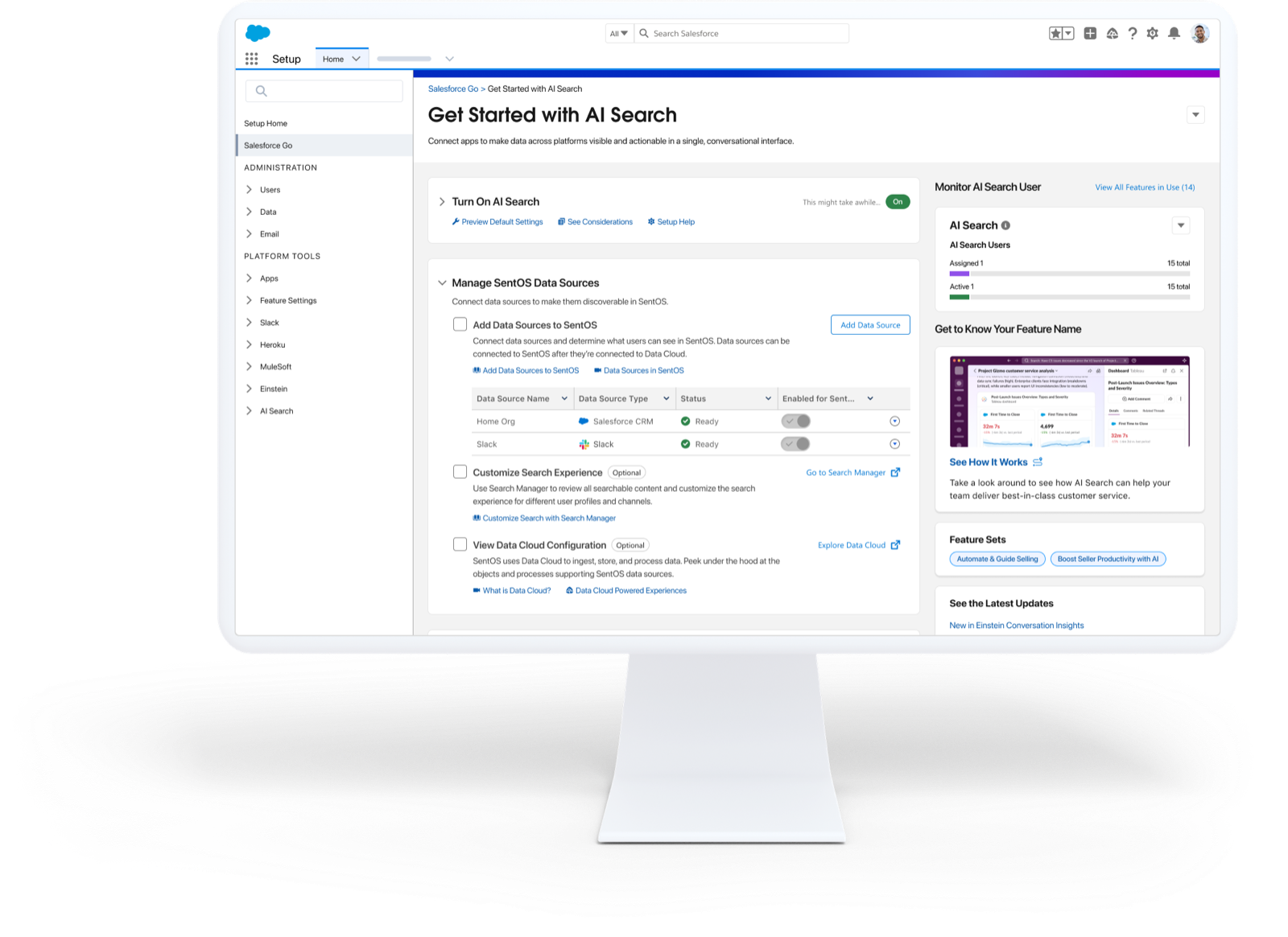
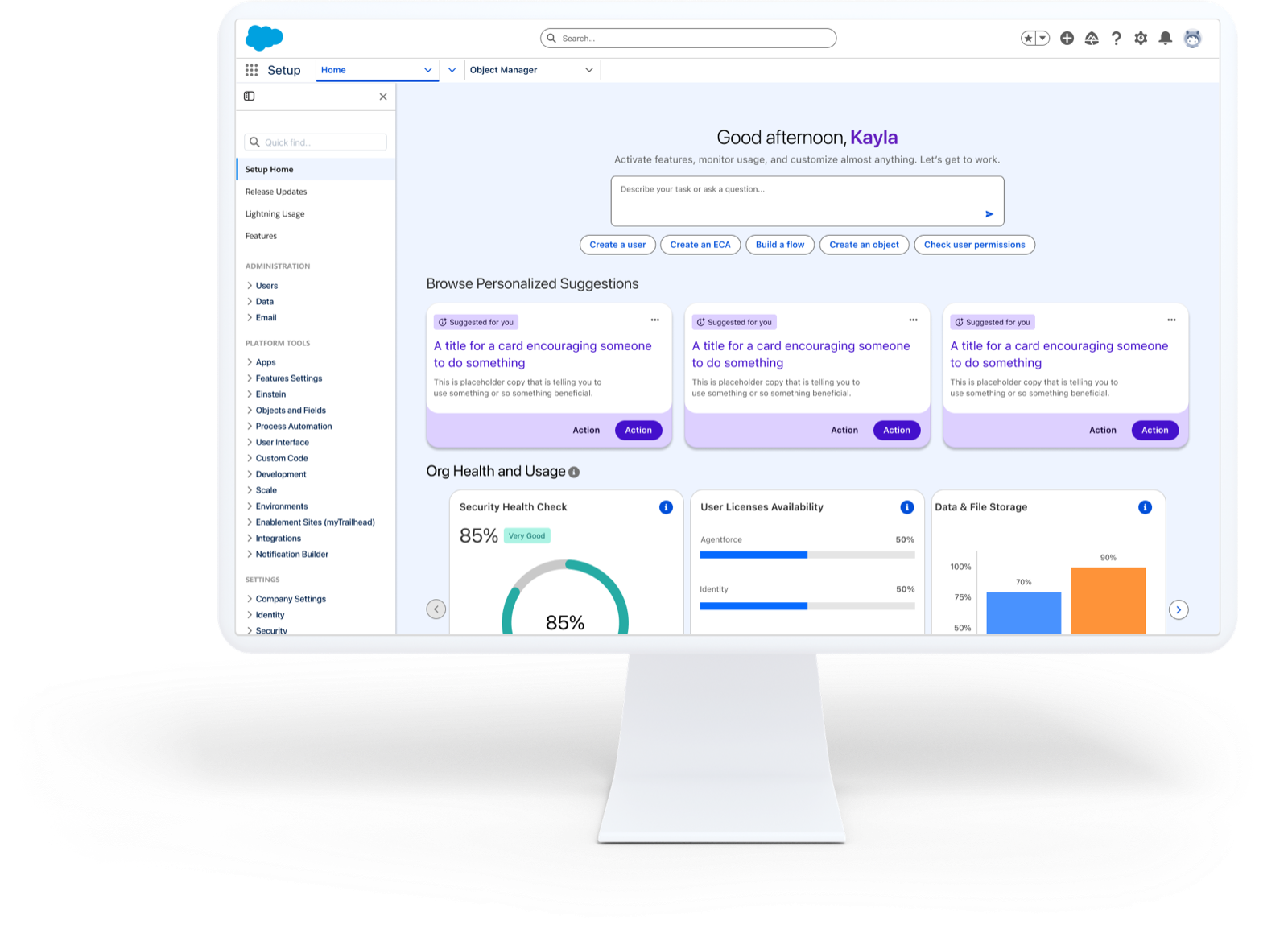
Agentforce for Setup: Setup Home with the agentic layer
AI + Admin Tools

Agentforce for Setup

Designed the agentic layer that lets admins configure Salesforce through natural dialogue instead of nested menus: an AI agent acting on production systems, built around trust, control, and intent.

Agentic human-AI admin experience
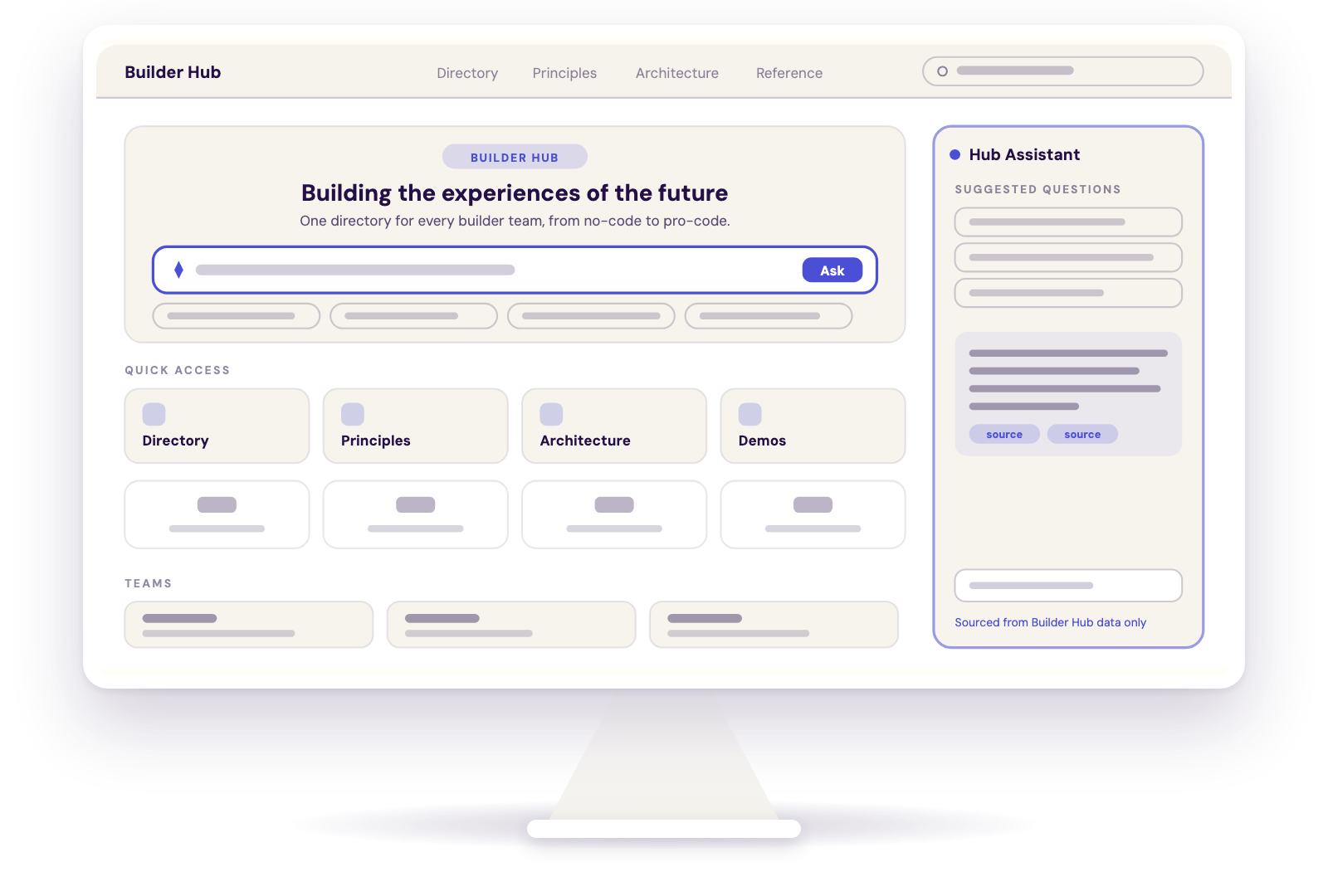
Wireframe of Builder Hub: the Ask the Hub agent beside the cross-team directory
Self-directed · exec backing in motion

Builder Hub

Built a knowledge agent for Salesforce’s whole builder ecosystem, end to end, as a designer. Its “Ask the Hub” agent routes you to the right tool, synthesizes cross-team research into one view, and audits a PRD against our trust and autonomy principles. I cleared the full enterprise AI governance path myself. It’s now under exec review for adoption across our UX org.

0→1 agent, built end to end
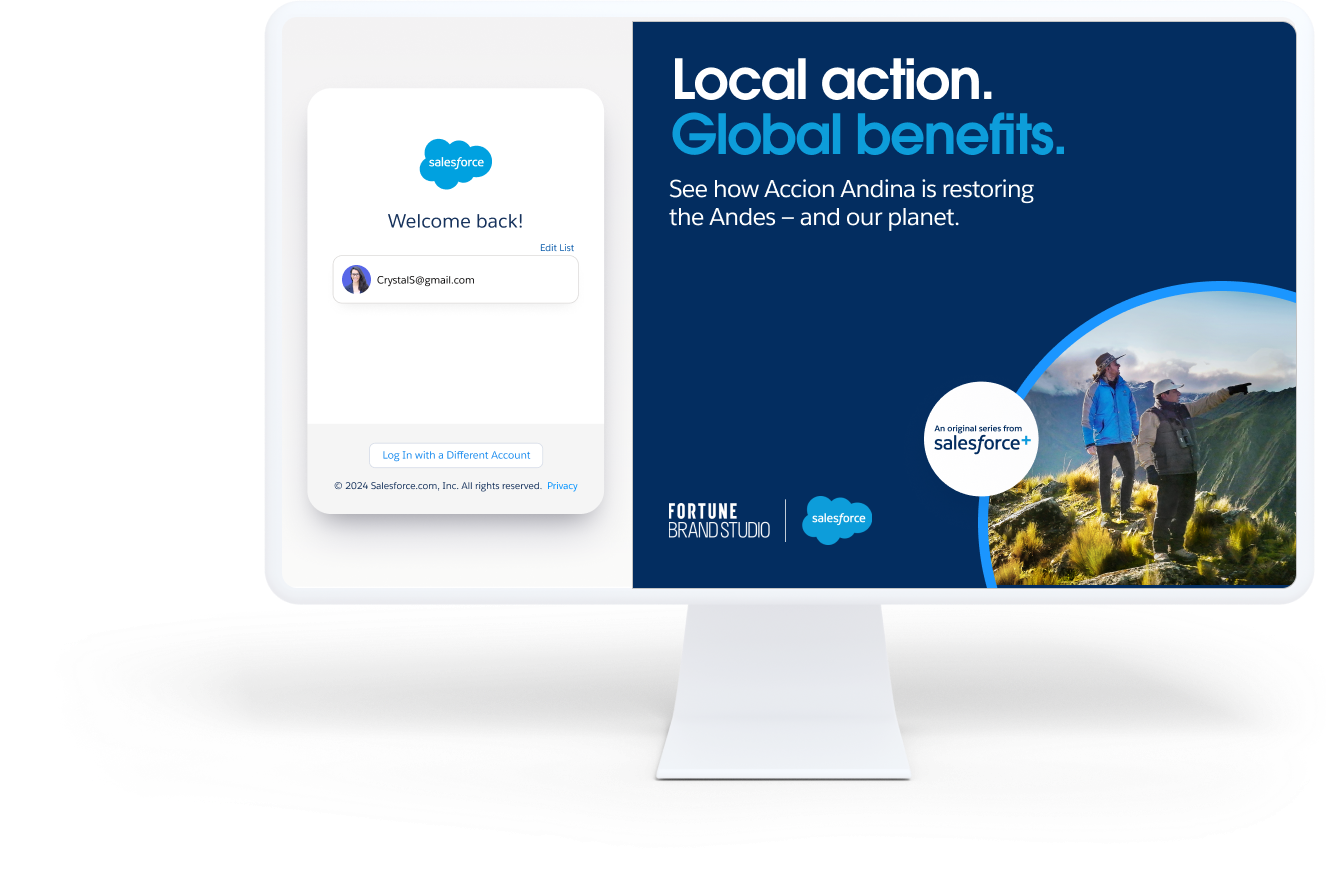
Welcome.Salesforce.com unified login experience
Identity & Access

Welcome.Salesforce.com

Unified twelve fragmented product logins into a single, accessible email-based sign-in and environment switcher: the front door every Salesforce user passes through.

12→1 logins unified
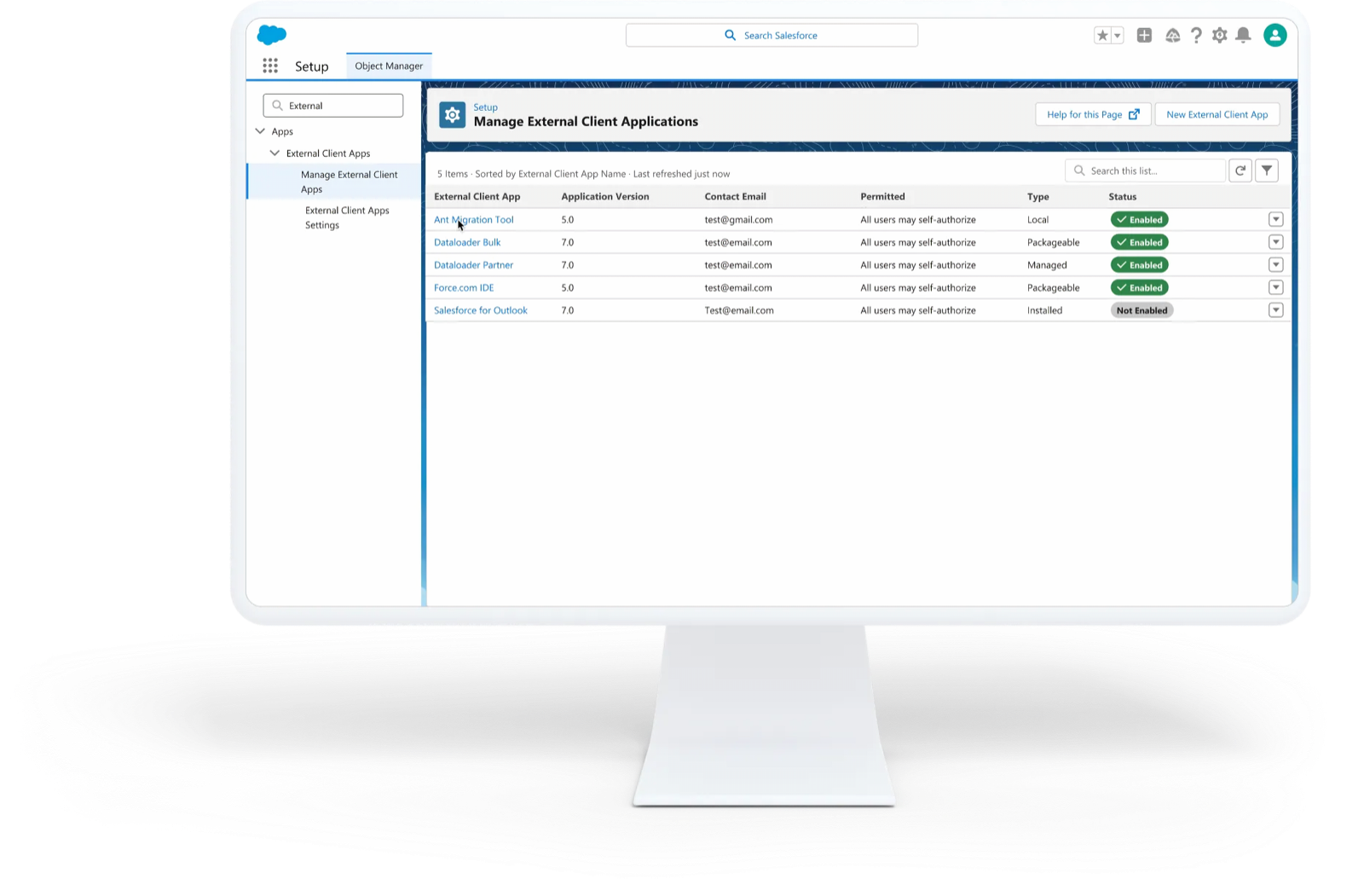
External Client Apps: Manage External Client Applications
Developer Experience

External Client Apps

Redesigned the framework developers use to connect external apps to Salesforce via OAuth, SAML, and OpenID Connect: V2 of Connected Apps, unifying a scattered setup into one connected, local-by-default experience.

V2 of Connected Apps
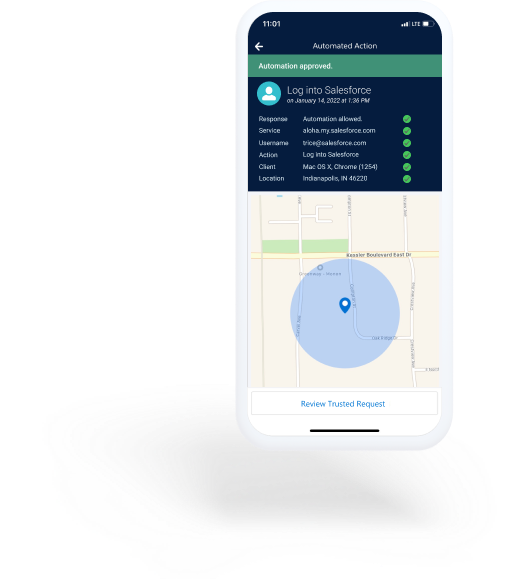
Automation Reliability: approved automation in the Salesforce Authenticator app
Mobile & Trust

Automation Reliability

Redesigned how the Salesforce Authenticator app explains its automated logins, making the language and signals behind why an automation succeeded or failed clear to millions of mobile users.

2.9M users on iOS & Android
I don't just design AI.
I build with it.

When I joined Salesforce's Builder team, I used AI to ramp up quickly on a complex product spanning no-code, low-code, and pro-code experiences. Along the way, I built AI-powered tools for the team, created a working editor prototype that informed engineering's implementation, and demonstrated how designers can move beyond prompting to building.

Builder Hub connected to twelve builder team sites A parent Builder Hub at the top connects to twelve builder team sites, all on the same level and seeded from shared Slack canvases. Rich information flows up into the hub, and search and navigation flow back out to every team. Builder Hub Ask the Hub · searches every team 12 builder team sites, seeded from shared Slack canvases Rich information flows in; search and navigation flow back out.

Each team site updates itself with Claude Code and Slack MCP scripts; the hub pulls from all of them, refreshing on every run.

Builder Hub

A knowledge agent for the whole builder ecosystem. Its "Ask the Hub" agent routes you to the right tool, synthesizes cross-team research into one view, and audits a PRD against our trust and autonomy principles. I built it end to end and cleared the full enterprise AI governance path myself, as a designer.

"Ask the Hub" agent Client-side agent AI Council, RFC, legal OIDC auth
Read the case study
Internal · walkthrough on request

Team & summit sites

A hub for my new team, plus a separate site and repo for every team at our builder summit, each handed off individually. Scheduled Slackbot skills keep each site's resources, design files, and research current on their own, with a live Slack feed that refreshes on every run, and the Builder Hub pulls from all of them.

Scheduled updates Live Slack feed GitHub handoff

Prototyping starter kit

A Claude skill I built (with a starter site) for prototyping the new hybrid editor. One command scaffolds a complete working prototype to build from instead of a blank file, plus copyable components and curated resources, so anyone goes from zero to running in minutes.

Claude Code Design-to-prototype Team enablement

Competitive analysis app

An agentic dashboard for tracking AI builder tools across the industry: compare them side by side, audit new ones worth watching, and generate reports for different audiences. I laid out the UI in claude.ai/design, then handed that file to Claude Code to build it out. A scheduled Slackbot skill keeps it current, scanning our UX and builder channels each week and sending the team a Monday digest.

Designed in claude.ai/design Built in Claude Code Scheduled Slackbot

I built the tools my practice runs on.

A suite of ten Claude skills that runs my design practice as a system: capturing a build as it happens, drafting the case study in my voice, trimming and critiquing the work, and pre-flighting the site before I share it. A retro skill keeps sharpening how I prompt. I built them while porting this site over, and handed them one case study to draft end to end. They're open on GitHub.

Read the case study →

A ten-skill design practice, encoded Three tiers: while building (build journal, prompt retro, handoff spec), the publish path (writer, edit pass, critique, preflight), and foundations (voice and writing guardrails under all prose, visual storytelling under all visuals). The build journal feeds both the retro loop and the publish path. WHILE BUILDING Build journal captures the build Prompt retro sharpens the next one Handoff spec the states devs need ↻ feeds the next build PUBLISH Writer Edit pass Critique Preflight FOUNDATIONS Voice under all prose Writing guardrails no AI tells Visual storytelling under all visuals Every build documents itself into the next one.

Built by a skill in the suite, rendered in my own design tokens. Flip the Classic / Expressive / Editorial toggle (bottom-right) and the diagram re-themes itself live.

build-journal prompt-retro handoff-spec case-study-writer portfolio-edit-pass portfolio-critique site-preflight voice writing-guardrails visual-storytelling

Most of these are internal tools I built to onboard myself and support my team, so the details stay light here. The Claude skill suite is public and on GitHub. Full narrated walkthroughs available on request.

Principles I design by.

Trust

Intelligent systems earn trust through clarity, transparency, and control. I design experiences that make AI behavior understandable, predictable, and reversible before users commit to action.

Human Agency

Technology should make people more capable, not less. I design systems that keep people informed and in control, helping them accomplish more than they could alone.

Clarity

My work often lives in complex systems, from identity to enterprise AI. I transform ambiguity into intuitive experiences that help people navigate complexity with confidence.

Continuous Learning

The best solutions emerge through curiosity. I seek to understand people, systems, and emerging technologies deeply before shaping what comes next.

These principles have guided my work from identity and enterprise search to agentic workflows and AI-powered creation tools.

Trusted by the people she works with.
She's always shown strong ownership and a clear point of view. She's quick to lay out design directions, explain the trade-offs, and connect the dots between similar problems to find the right path.
Lead Researcher
Tori sets the standard for partnership with content design. She welcomes us into her process, sweats the details where good products become great ones, and I've repeatedly seen her overcome pressure to take the easier path in favor of the best, most user-centric solution.
Content design partner, Agentforce for Setup
She was my onboarding guide, but mentor is the more accurate word. She helped me build confidence and grow, both professionally and strategically. I genuinely wish everyone had a mentor like her.
A designer she mentored
Access control can be a complicated area, and we threw a lot at her. I was impressed by how she consolidated it all and came back with feedback and solutions, fast.
Engineering partner, User Access

Ready to build
something great?

I'd love to hear from you.